
Explore Braia →
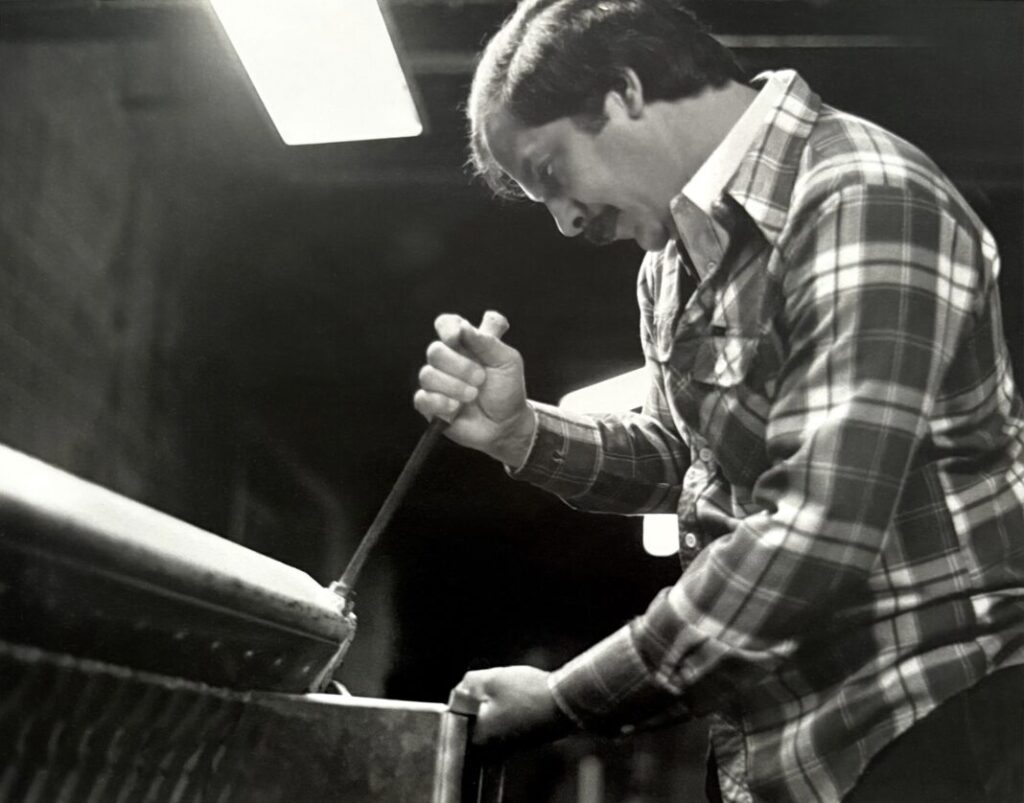
Braia’s father, Michael G. Braia, creating duct in his sheet metal shop, 1984.

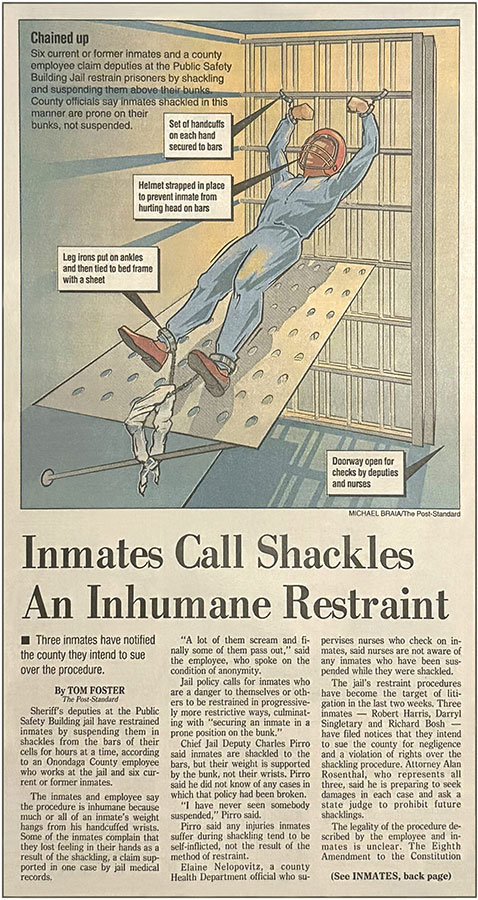
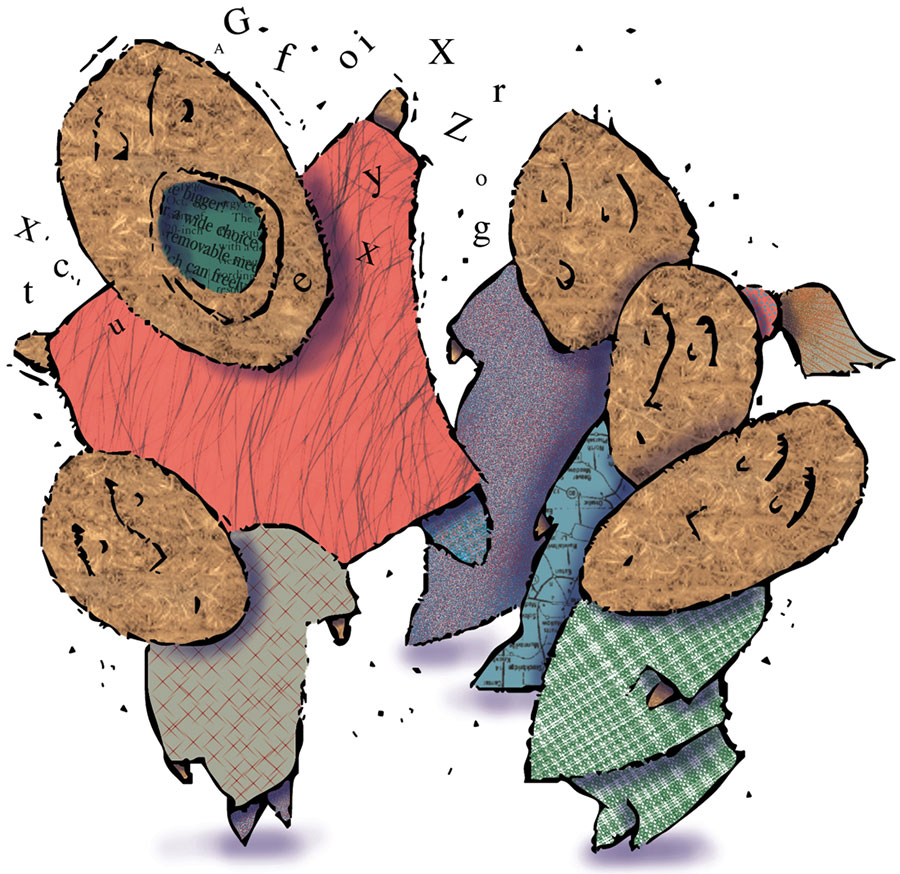
Braia began his working career in the graphic design space. He spent a short time designing ads at a small subsidiary of the Bristol-Myers Corporation, a year in the advertising department at a regional furniture outlet, and then took on an Art Director role at a small local newspaper. “One of the traits that made me different from many other designers at that time was that I could draw and paint. I developed strong typographical and design skills during the burgeoning period of the Apple Mac.” This led to Braia’s hiring by the Syracuse Newspapers as a staff artist and information graphic specialist. During this period he assisted in redesigning The Post-Standard media consultant Mario Garcia. Additionally, Braia won national and international awards in areas of design, illustration, and breaking news graphics, through the Associated Press and the Society for News Design.
The Newhouse School of Public Communications, at Syracuse University, took notice and asked Michael to visit the school to share experiences with communications students. This led to Michael developing a syllabus for and teaching a graduate visual communications class, “GRA518 / Theory of Printed Communication” through the early and mid-90s.
Braia began his working career in the graphic design space. He spent time designing ads before taking on an Art Director role at a small local newspaper. “One of the traits that made me different from many other designers at that time was that I could draw and paint. I developed strong typographical and design skills during the burgeoning period of the Apple Mac.” This led to Braia’s hiring by the Syracuse Newspapers as a staff artist and information graphic specialist. During this period he assisted in redesigning The Post-Standard with media consultant Mario Garcia and won national and international awards through the Associated Press and the Society for News Design.
Early in his career, Braia grappled with the symbiotic, yet hierarchical relationship between illustration and fine art. Today, the space between high art and commercial appeal is less grey. Historians note that Rembrandt etched promotional pieces to display his skills, while many artists during the Renaissance and other pivotal periods commonly worked for hire. On the other side of the pendulum, Norman Rockwell would sometimes give his paintings away after their intended use, unaware of the tremendous value they would one day hold.
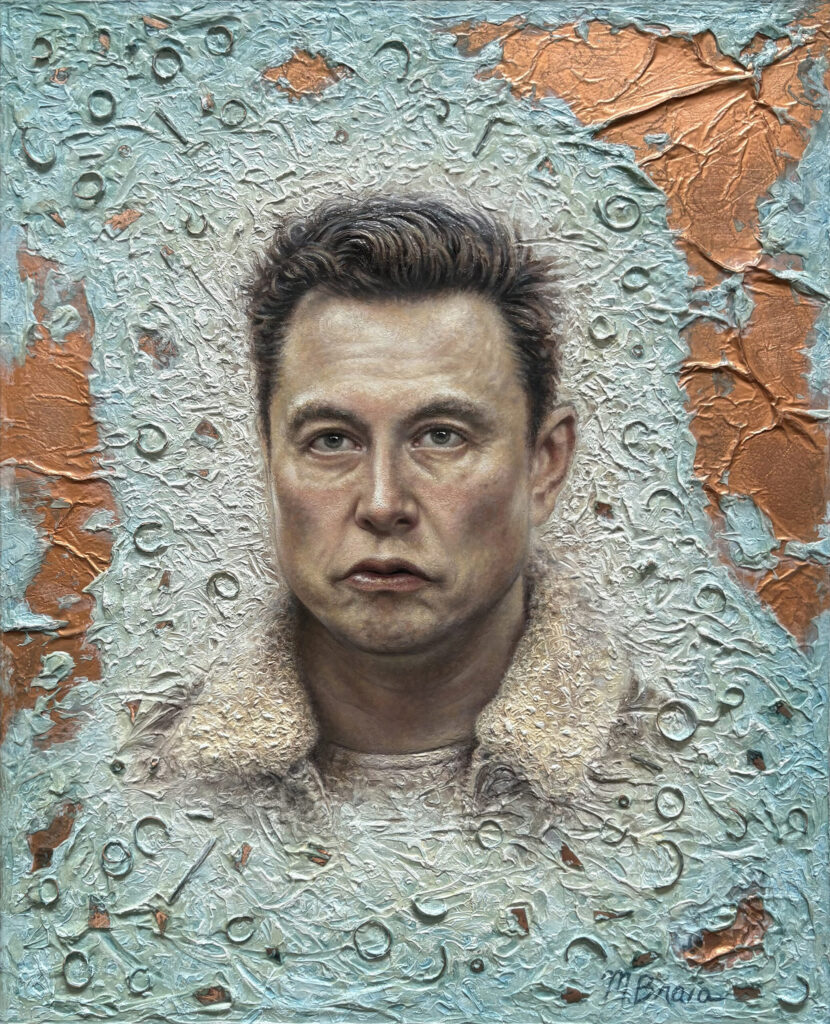
Today, Braia resides in both Charlotte and Raleigh, North Carolina. Most of his recent works are exclusively in oils, or mixed media and oils, depending on the type of support or substrate. Copper or various metals are occasionally incorporated into works, depending on intent. For potential clients, Braia maintains interest in creating either originals, or boutique-batch, carefully crafted, hand-modified limited-edition archival giclées of current work. Pricing varies by piece, size, and volume when applicable.
Portraits within this website are part of a broader artistic body of work. For the occasional interpretive, transformative portrait, it’s important for clients to understand the difference between copyright and right of publicity.